
What is an anonymous message — and why is everyone sending one right now?
An anonymous message is a message with no name on it. The recipient reads it. They have no idea who sent it. It's the digital suggestion box — except this one has a shareable link and travels at the speed of an Instagram Story. (Nobody ever actually knew who put that note in the office suggestion box either. We've been at this a while.)
Anonymous communication itself isn't new. Unsigned letters. Tip lines. Feedback forms that the teacher claimed were anonymous but absolutely were not. What changed is the mechanism. A shareable link and a text box is all it takes now. Twenty seconds. Any device. Any browser. Someone on the other side of the planet can send you something completely honest before their coffee gets cold.
Search interest in anonymous messaging has grown 900% year-on-year heading into 2026. That's not a rounding error. The jump is almost entirely driven by people sharing their anonymous message links on Instagram Stories, WhatsApp statuses, and TikTok bios. Post your link. Watch what your people actually think. Simple game. Occasionally illuminating results.
Why do people send anonymous messages? The honest list:
- Telling a friend something real they'd never hear with a name attached
- Giving feedback on someone's content, work, or idea without the social cost
- Asking a question that requires the sender to be vulnerable — and vulnerability is easier without your name on it
- The social game of "guess who sent this" — the oldest guessing game in human communication
- Saying something that's been sitting there for two years and just needs to be said
I built Tell Me Anything because I got tired of apps that promise anonymity in the headline, then charge $3.99 to "hint" at who sent you each message. If your business model is selling your users' anonymity back to them in small instalments, you don't actually believe in anonymity. You're just renting the concept by the week.
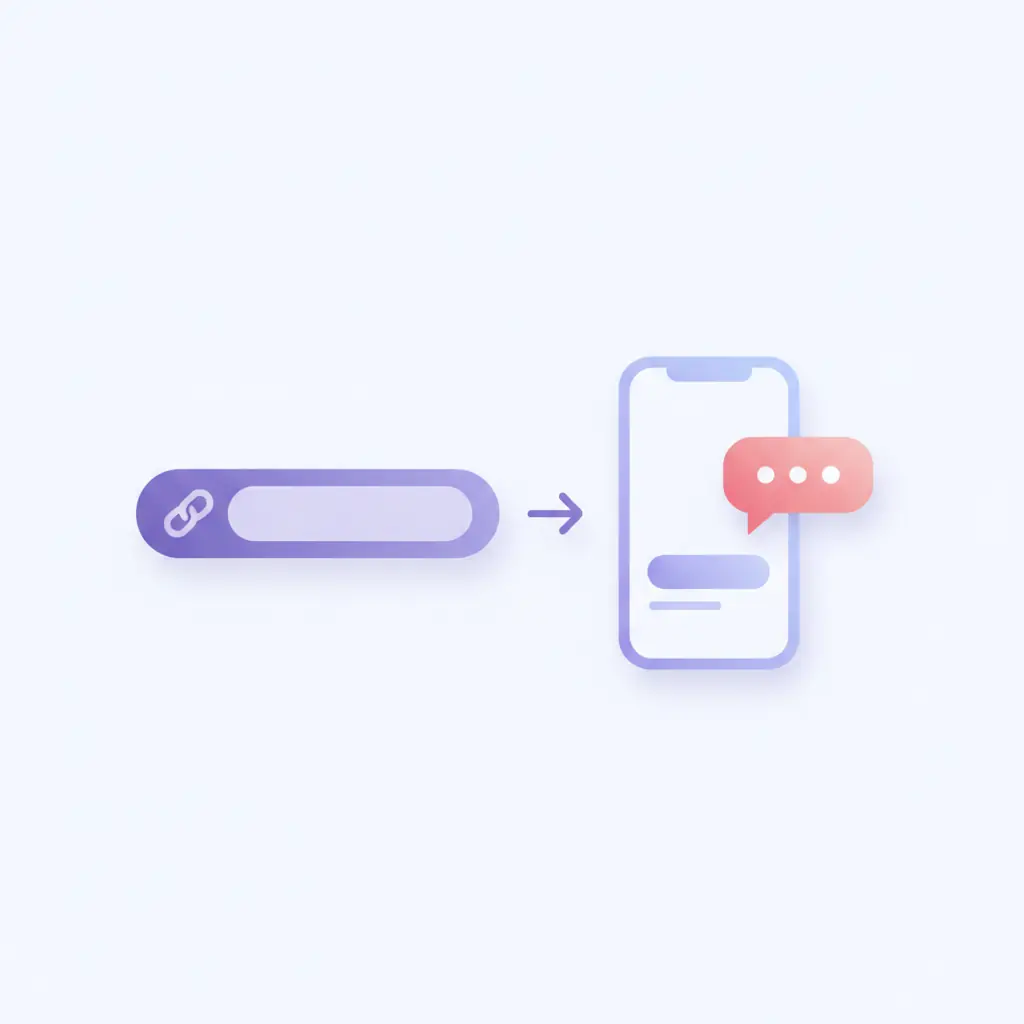
Method 1: Anonymous message links — fastest, free, no app needed
This is the method most people don't know exists, and it's the one that actually works.
The concept is straightforward. The person who wants to receive anonymous messages signs up for a free platform — Tell Me Anything, for instance. They get a personal link: tellmeanything.link/u/theirname. They share it. Anyone with that link opens it in a browser, types a message, and sends. The sender needs no account. No app. No anything. The whole send takes under 60 seconds.
The distinction that matters: link-based platforms never ask the sender to identify themselves. The anonymity begins at the browser level, not at a privacy toggle that someone can later be charged to undo.
Tell Me Anything — free, no hint system
100% FreeSign up free, get your link, share it anywhere. Senders need no account and no app — just a browser. You read every message in your dashboard, free, forever. No paywall. No "buy hints to see who sent this." The sender's identity is protected because protecting it is the point of the service — not a feature to monetise one hint at a time.
NGL and Sendit: the hint problem
NGL (Not Gonna Lie) and Sendit both use the same link-based model. Both have large audiences. Both sell hints about sender identity for a fee.
Here is what hint-selling actually means: if a platform can sell you a hint about who sent a message, it means the platform recorded who sent the message. It's choosing to keep that information locked behind a payment rather than simply not recording it. The anonymity is a hook to get you in. Partially breaking it is the revenue model.
NGL requires no app to send — that part is fine. Sendit requires the sender to install an app, which eliminates roughly half your potential respondents before they even try. (The George Costanza rule: never make the other person install something.)

Methods 2–5: Free online SMS senders (send an anonymous text to a phone number)
These are the options when you have someone's phone number and no link alternative. They route your message through a third-party number, hiding your real number from the recipient's SMS inbox.
SendAnonymousSMS.com
FreeThe most straightforward of the free SMS senders. Enter a recipient number, choose a display name or leave it blank, type, send. Works for most countries. No account required. The interface suggests it was last redesigned when flip phones were aspirational, but it still functions.
AnonymousText.com
FreeCleaner interface than SendAnonymousSMS. International number support. The free tier caps message length. There's a paid tier for longer messages and higher delivery priority — which gives you some honest information about how the free tier is treated in the queue.
AnonTxt.com
FreeMinimalist. Enter number, type message, send. One of the faster delivery times when it does deliver. Coverage outside North America is more limited. No frills — which is either reassuring or a warning, depending on your tolerance for frills.
Texttasy
FreemiumSlightly more polished, with scheduling features on the paid tier. The free tier handles basic sends. The name is an attempt at a pun that almost lands. As someone who lives permanently in the glass house of pun-making, I respect the attempt and say nothing further.
The delivery problem: carrier filtering
Free anonymous SMS senders have a real and growing problem. Carriers have significantly improved their ability to identify and block messages from known SMS spoofing services. They maintain blocklists of IP ranges and sender IDs associated with these platforms.
The practical result: free anonymous SMS services have lower delivery rates now than they did two years ago. If you send through one of these services and the recipient never receives the message — this is almost always why. The message left the platform. The carrier blocked it before it hit the inbox. No error. Just silence.
Rule of thumb: use free SMS senders when you have a phone number and no link alternative. For everything else, a link-based platform delivers reliably because it's a web platform — it's not fighting carrier spam filters at all.
Method 6: Burner number apps (partial anonymity)
Burner number apps give you a second phone number to text from. The recipient sees that number, not your real one. The number is real — so delivery is reliable, which is the main advantage over free SMS spoofing services. But it's not true anonymity.
TextNow
Free Tier AvailableThe most generous free tier of the burner number apps. A real US or Canadian number, texts over Wi-Fi, no cost for the basics. Ad-supported on the free tier. For the vast majority of casual use cases, the free tier does what you need.
Burner
FreemiumThe app that invented the category name. Clean interface, multiple numbers, the ability to delete and create on demand. The free trial is short. Worth the cost if you need ongoing burner use. Overkill for a single anonymous send.
Hushed
FreemiumSimilar feature set to Burner. Good international number coverage. Three-day free trial — long enough to figure out whether it does what you need before committing.
The important caveat: burner apps are not truly anonymous. The carrier knows which device is associated with that number. The app provider has your account details. For law enforcement with a valid request, that information exists to be handed over.
For most people sending most anonymous messages — honest feedback, questions, social content — this level of exposure is irrelevant. For anything where the stakes are genuinely high, a burner number is not the tool you want.
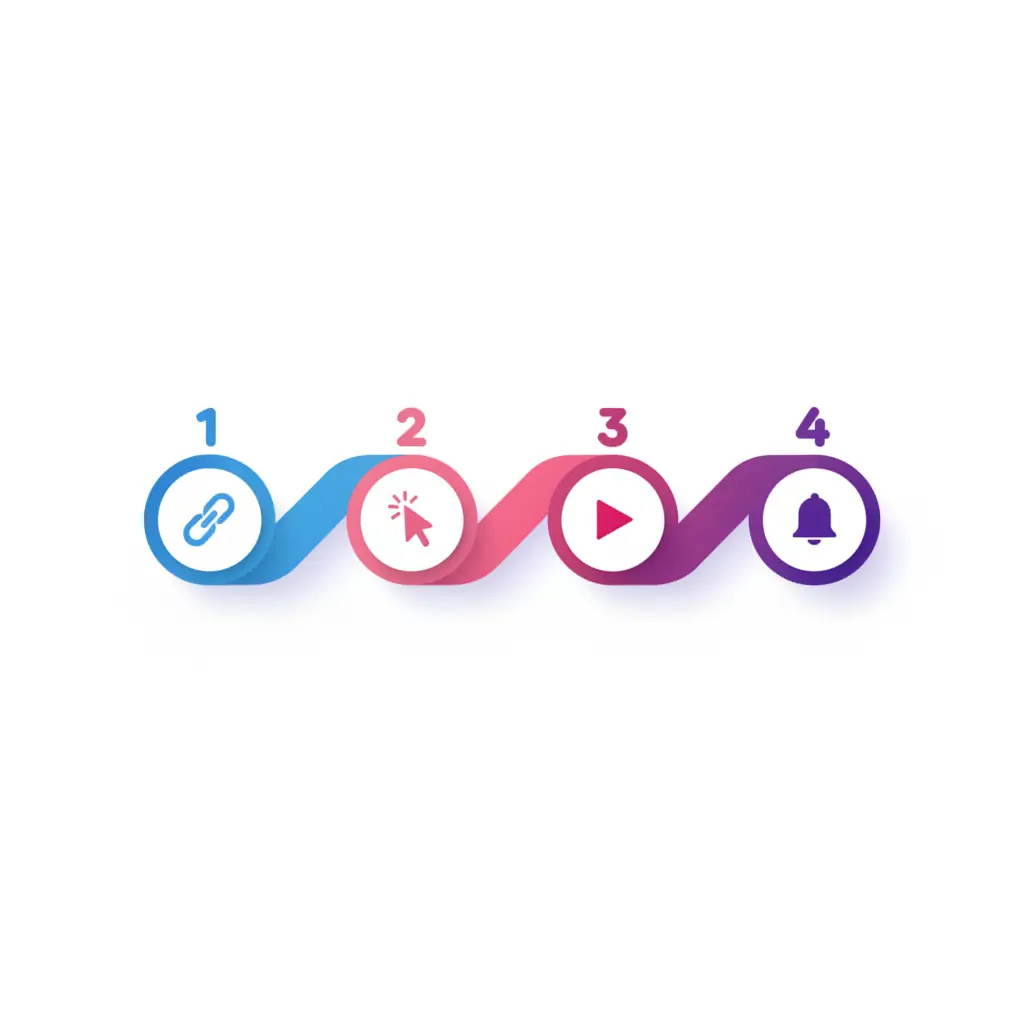
How to send an anonymous message right now — 4 steps
Two flows. Pick the one that fits.
Flow A: Sending to someone who already has a link
- Find their Tell Me Anything link. It'll be in their Instagram bio, an Instagram Story, their WhatsApp status, or TikTok profile. Usually posted as "send me an anonymous message" with the link below.
- Open the link in any browser on any device. You land on a page with a text box. Nothing asks for your name, your number, or your email. That's the whole design.
- Type your message. Whatever you came to say. A compliment. Feedback. A question you've been sitting on. No character limit. No format required.
- Tap Send. Your message lands in their inbox. Your name lands nowhere.
Flow B: Setting up your own link to receive anonymous messages
- Go to tellmeanything.link and sign up free. Email or Google. Sixty seconds. (Yes, sixty. That's a real number, not marketing copy.)
- Your link is ready immediately:
tellmeanything.link/u/yourusername. Copy it. - Post it where your people are. Instagram Stories gets the highest response rate. WhatsApp status is second. TikTok bio works for longer-term passive collection.
- Write a prompt when you post it. "Tell me something you've never said to my face" gets 4–5x more responses than a bare link. A specific invitation gives people permission to say something real. A naked link gives them nothing to push against.

Why people actually send anonymous messages
Every anonymous messaging platform's marketing copy says "fun and games." That's real. But it's not the whole picture, and the competitors I know of don't talk about the other part.
A user received an anonymous message telling her that her presentation style in online videos was hard to follow. Because it came anonymously, she could read it without defensiveness. She rewrote her whole format. The person who sent it would never have said it directly. She'd never have changed without it. (No name, just "a user." That's rather the point.)
That use case doesn't make it into most app store descriptions. Anonymous messaging is, at its core, a solution to the gap between what people think and what they'll say to your face. The social cost of honest communication drops to zero. What you get in return is something rare: what someone actually thinks.
(Yes, sometimes what they actually think is "nice haircut." That's fine too. Both outcomes are valid.)
The honest reasons people send anonymous messages:
- Feedback they know will land better without a name attached
- Something they've been carrying and just need to put down somewhere
- A compliment they'd be embarrassed to give out loud
- Questions that require vulnerability — and vulnerability is easier without your name on it
- The social game itself — the guess, the reaction, the conversation it starts
Research on communication consistently finds that people self-censor real opinions when social consequences follow. That's not a character flaw. That's just what social interaction does to honesty. Remove the consequence and you occasionally get something worth hearing. More on how different platforms handle this — and which ones protect the sender's side of that equation — in our full breakdown of anonymous messaging apps.
Will the person know it was you?
Direct answer for each method.
On Tell Me Anything
No. The recipient sees the message and nothing else. There is no hint system — not paid, not free. No display of approximate location, device type, or account clues. The sender's identity is not stored in a way the recipient can access. This is a design choice, not a claim.
On NGL and Sendit
Partially, if they pay. Both platforms offer hints about sender identity for a fee. "Sent from iOS," "someone in your contacts" — vague enough to be deniable, specific enough to narrow the field. The anonymity is real until the recipient buys a hint. How much you trust the recipient's spending restraint is your call.
On free SMS senders
The recipient's phone shows an unfamiliar number or "Unknown." They can't trace it to you without significant effort. Practically anonymous from the recipient's view.
On burner apps
The recipient sees a real number they don't recognise. They can block it. They cannot identify who owns it without a legal process. Not truly anonymous, but anonymous enough for most purposes.
Server logs
Every web platform keeps standard server logs — IP address, timestamp, browser type. Tell Me Anything is no different. These are not shown to recipients. They exist so the platform can respond to abuse reports and cooperate with valid law enforcement requests. For honest feedback and social games, completely irrelevant. For anything illegal, relevant. That's not a bug — that's how platforms that aren't shut down are allowed to operate.
Want an extra layer? Use a VPN before sending. It routes your traffic through a different IP. Doesn't affect delivery. For 99% of use cases, unnecessary. The option exists if you want it. The EFF's Surveillance Self-Defense guide is the most readable resource on the topic if you want to go deeper.
Send your first anonymous message in under 60 seconds
Find their Tell Me Anything link, open it, type, send. No account. No app. Free. Or set up your own link and find out what your people actually think.
Get Your Free Link →